Flux
Couleur d'accent
When Context Collapses: Teaching Agents to Detect and Recover from Lost Memory

When Context Collapses: Teaching Agents to Detect and Recover from Lost Memory

This is the eighth article in a series on agentic engineering and AI-driven development. Read part one here, part two here, part three here, part four here, part five here, part six here, and part seven here. “640K ought to be enough for anybody.”—Bill Gates (allegedly) If you’re building AI agents that do complex, multistep work, you’re going to run into context […]

Soutenez O'Reilly Radar — AI/ML en consultant la ressource originale

Lire l'article original
Articles similaires

Why « Gemini at Work 2026 » is transforming the way we work Nouveau

Why « Gemini at Work 2026 » is transforming the way we work

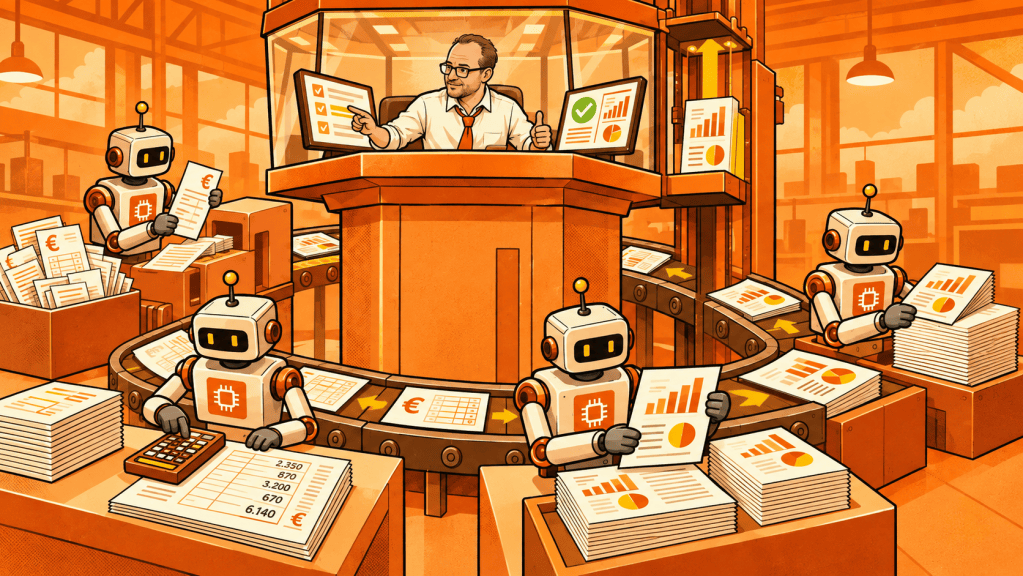
Google Cloud has announced Gemini at Work 2026, marking a turning point in the integration of AI into work. Unlike Microsoft Copilot, Gemini acts as a proactive agent, learning company methods and orchestrating missions via sub-agents. This evolution aims to improve efficiency without replacing humans, thereby transforming the way we work. L’article Why « Gemini at Work 2026 » is transforming the way we work est apparu en premier sur OlivierSauvage.com.

Olivier Sauvage (Numerika)
#381.src - AI Coding: Réécrire des applications legacy avec Quentin Pleplé Récent Podcast

#381.src - AI Coding: Réécrire des applications legacy avec Quentin Pleplé

"On se fiche de savoir quelle est l'architecture du legacy. La seule chose qui est importante, c'est qu'est-ce qu'on veut à la fin." Le D.E.V. de la semaine est Quentin Pleplé, CTO de la practice de modernisation par l'IA chez Théodo. Depuis un an, ses équipes réécrivent des applications legacy entières avec du code généré à 100% par l'IA, tout en gardant le contrôle qualité grâce à des usines agentiques rigoureusement outillées. Dans cet épisode, il détaille sa méthode en trois phases (spec,…

IFTTD - If This Then Dev
Esc