Flux
Couleur d'accent
Toutes les sources

O'Reilly Radar — AI/ML

136 articles Flux RSS
IA
When Your Buyer Is an AI Agent

When Your Buyer Is an AI Agent

In 2021, Maersk, the world’s largest container shipping company, deployed AI agents from a startup called Pactum to negotiate freight lane contracts with its carrier suppliers. The objective was for AI agents to handle negotiations autonomously rather than merely support human procurement staff. Operating entirely autonomously, the system manages the end-to-end agreement process, from reaching […]

O'Reilly Radar — AI/ML
When Guardrails Go Wrong

When Guardrails Go Wrong

The latest round of restrictions and safeguards for frontier models are overly fussy and limiting. A Claude skill that I created demonstrates what happens when guardrails go astray. My skill helps me to find articles and blog posts that go into O’Reilly Radar’s monthly Trends to Watch. It reads roughly a dozen well-known sites like […]

O'Reilly Radar — AI/ML
What’s an Orchestrator—and Why Does Software Need One?

What’s an Orchestrator—and Why Does Software Need One?

The following article originally appeared on Medium and is being republished here with the author’s permission. Everybody’s talking about the death of developers. I get it. The developer whose job was to write boilerplate or scaffold CRUD apps is done—a model can do that in seconds, and that developer is not coming back. But the […]

O'Reilly Radar — AI/ML
When AI Writes the Code, Specifications Need an Exit Strategy

When AI Writes the Code, Specifications Need an Exit Strategy

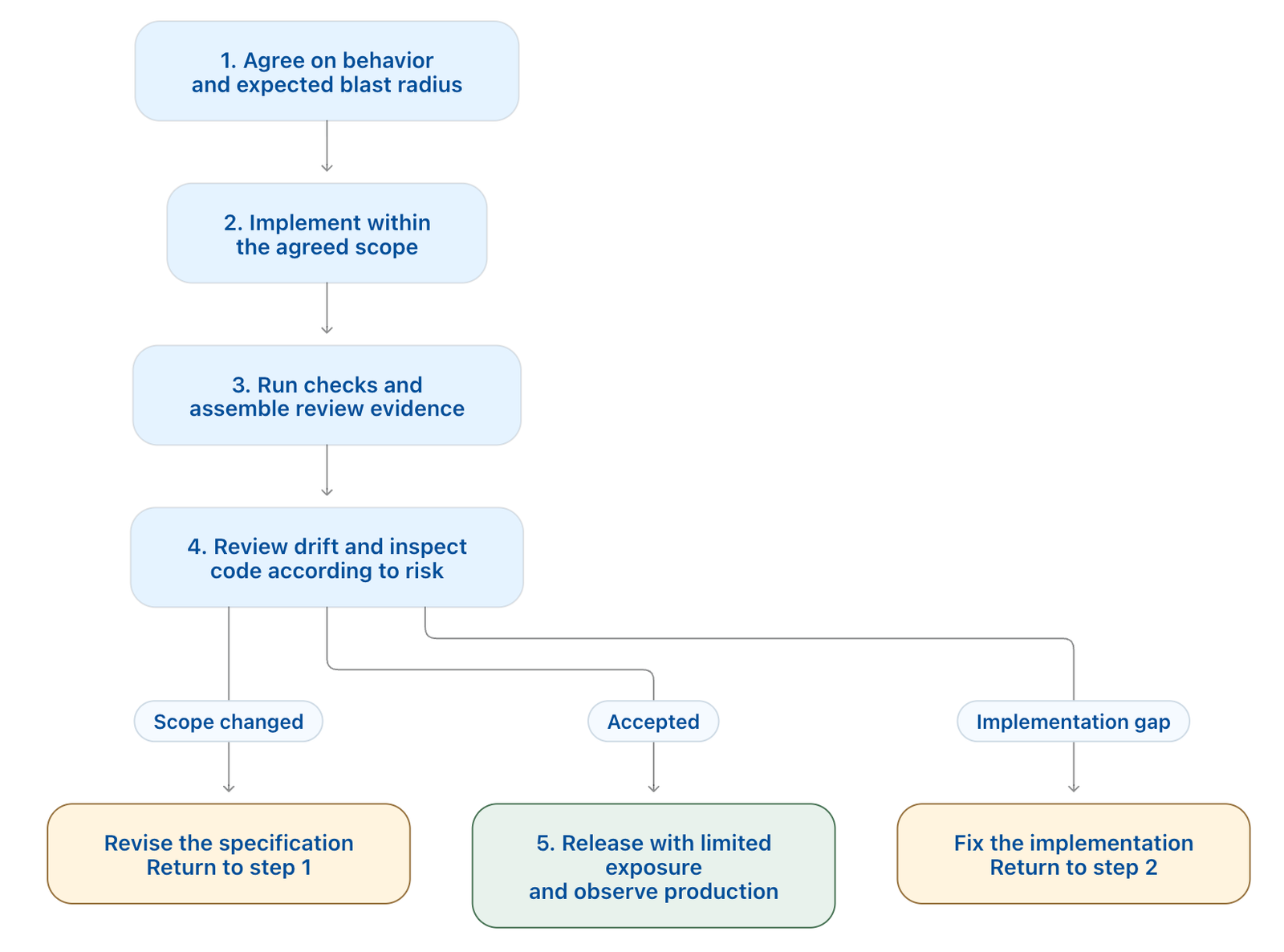
The following article has been extended and rewritten by Markus Eisele from The Main Thread and is being republished here with the author’s permission. Open a repository after six months of spec-driven agent work and you may find a second system sitting next to the code. Requirements, research notes, high-level designs, low-level designs, implementation plans, […]

O'Reilly Radar — AI/ML
The Intent Debt

The Intent Debt

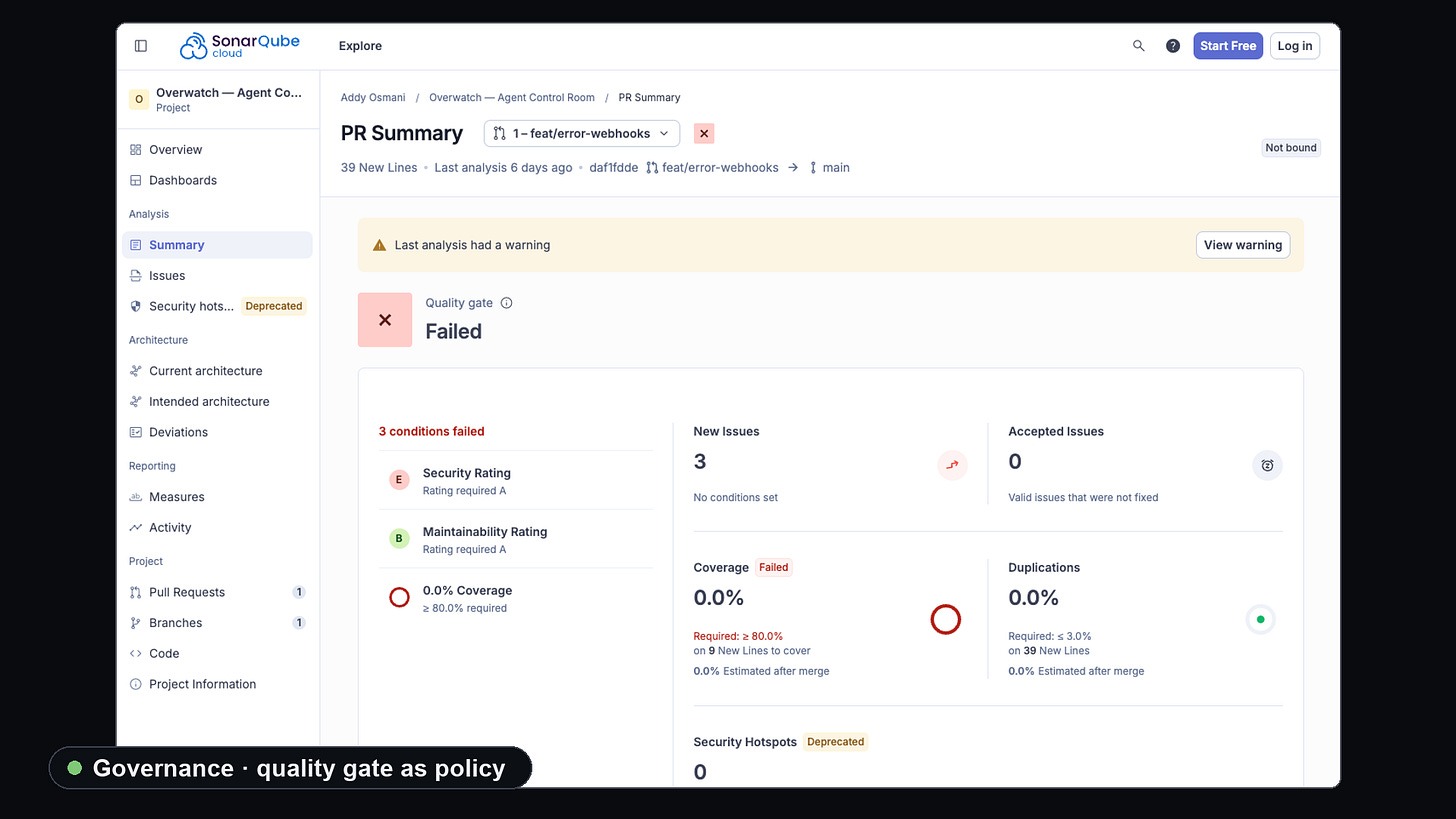
The following article originally appeared on Addy Osmani’s blog site and is being republished here with the author’s permission. Technical debt lives in your code. Cognitive debt lives in your head. Intent debt lives in the artifacts you may never have written: the goals, constraints, and rationale for why the system is the way it […]

O'Reilly Radar — AI/ML
The Two Pillars of Post-training: Reinforcement Learning and Supervised Fine-Tuning

The Two Pillars of Post-training: Reinforcement Learning and Supervised Fine-Tuning

This is the second article in Sharon Zhou’s post-training series. Read part 1 here. In the first post of this series, you learned how post-training closed the fundamental gap in usability of LLMs by making them behave in a certain way. In this post, you’ll explore specific techniques you can use to change a model’s […]

O'Reilly Radar — AI/ML
Esc