New in Symfony 8.2: Attribute-Based Workflows
Contributed by Grégoire Pineau in #61935…
Lire
Contributed by Grégoire Pineau in #61935…
Symfony 8.1.9 has just been released. Read the Symfony upgrade guide to learn more about upgrading Symfony and use the SymfonyInsight upgrade reports to detect the code you will need to change in your project. Tip…
Symfony 7.4.21 has just been released. Read the Symfony upgrade guide to learn more about upgrading Symfony and use the SymfonyInsight upgrade reports to detect the code you will need to change in your project. Tip…
Symfony 6.4.48 has just been released. Read the Symfony upgrade guide to learn more about upgrading Symfony and use the SymfonyInsight upgrade reports to detect the code you will need to change in your project. Tip…
If you've ever sent a security report to PHP and then refreshed the advisory page every morning for three weeks, hi, this one's for you, and yes, we read it. PHP runs a large share of the web, so keeping it secure and staying responsive matters far beyond this project, and we take that seriously. There is a small group of volunteers and PHP Foundation contractors doing its best to handle security for PHP core with the limited time and resources available, and this post will show how we are…
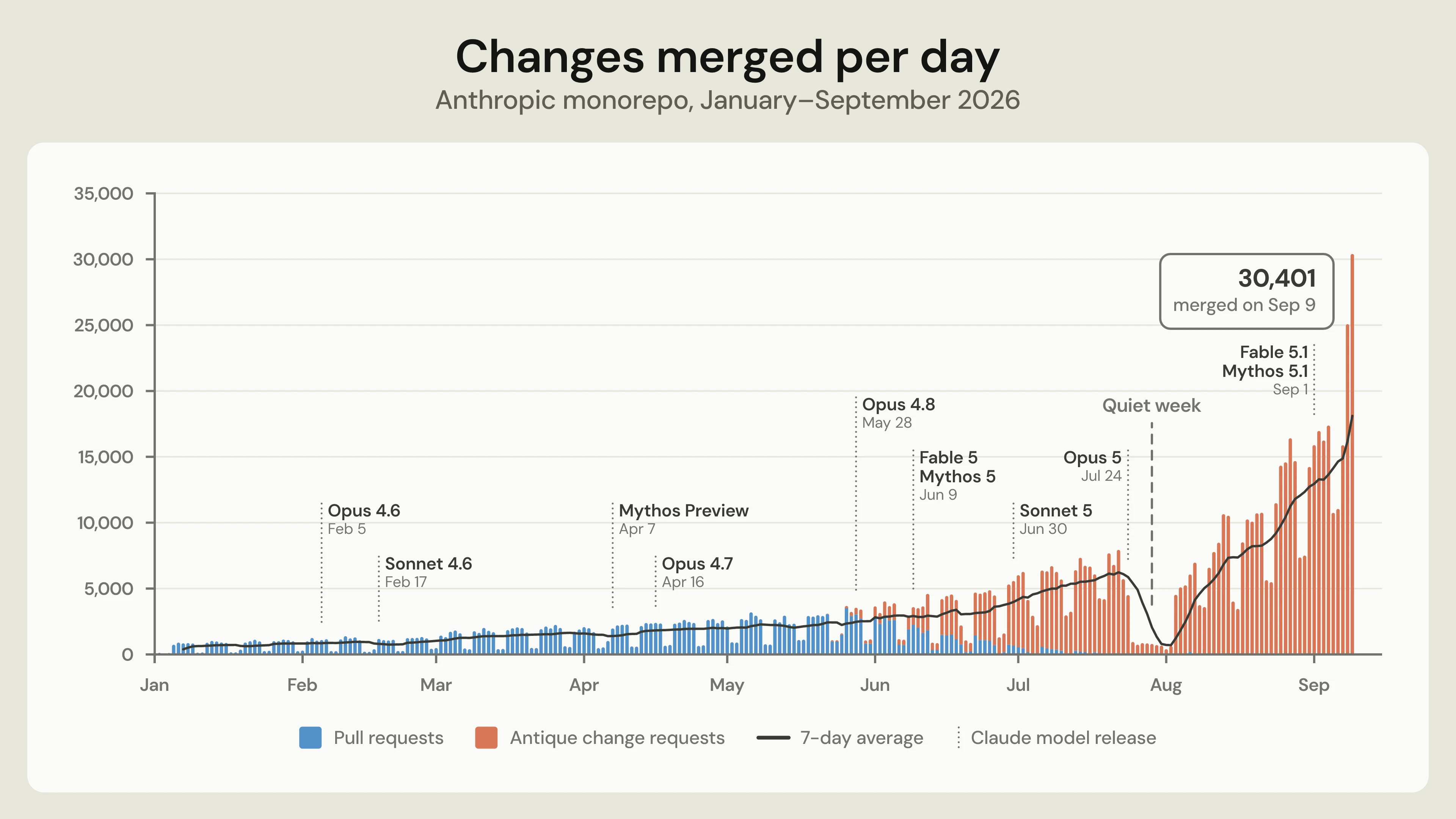
Redesigning source control at Anthropic Interesting piece from Anthropic describing why and how they built their own custom alternative to Git, based on the dramatic increase in rate of changes to their code after the past six months. In May 2026, Anthropic averaged around 2,500 code changes merged per day; as of September, we merged over 30,000 per day. They included a chart showing those changes. I had Claude modify their chart (code here) to add markers for the public releases of each of…
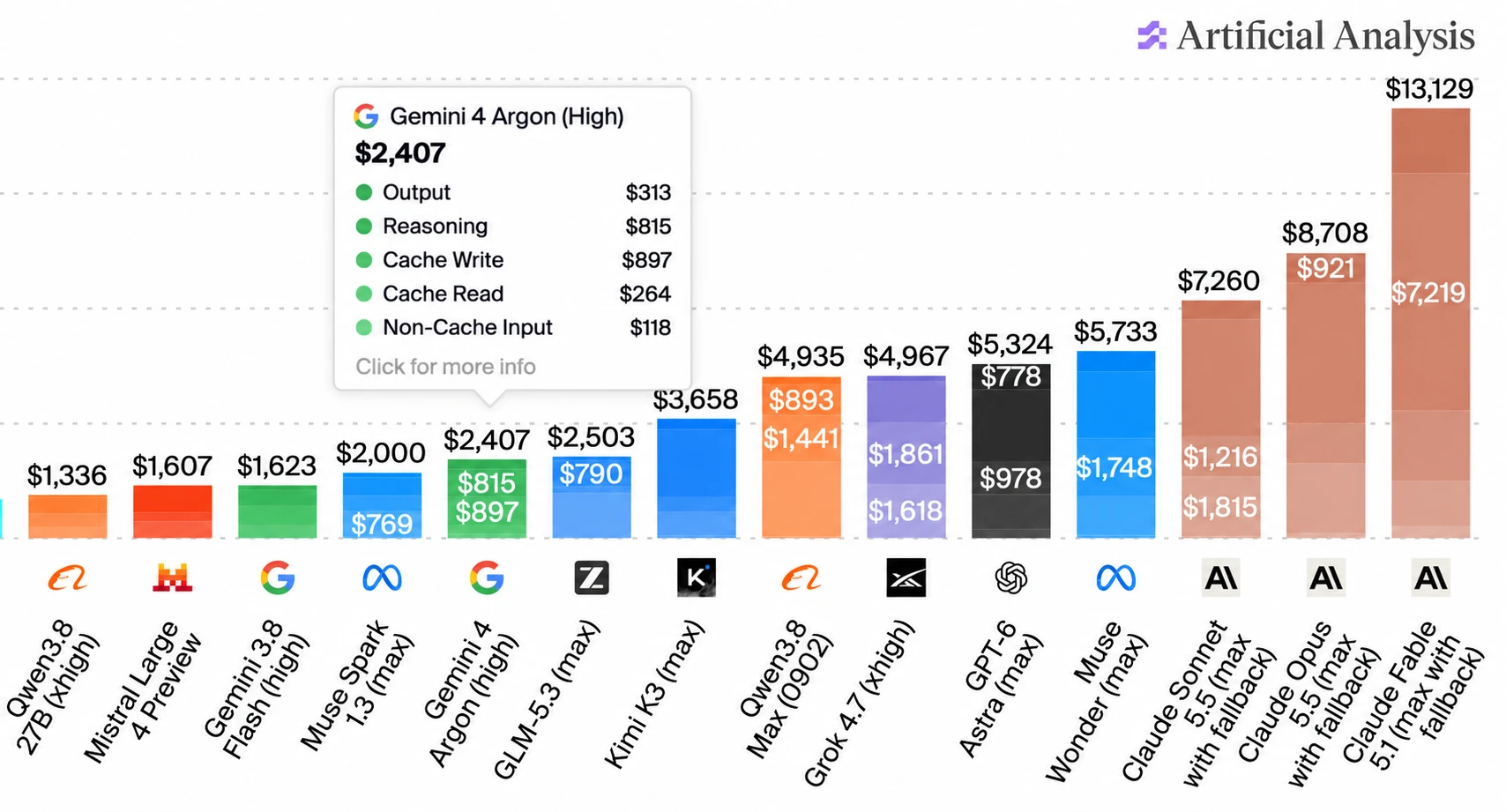
Release: llm-gemini 0.35 I added support to llm-gemini for the new Gemini 4 Argon model, made available today via the Gemini API and for customers of their $100/month subscription plan. Here are the low, medium and high pelicans. As expected, they are all excellent: Gemini has a track record of producing great SVGs, and are the only lab where I know their staff have invested in SVG specifically (and who have boasted about their pelicans before.) Here's the "high" illustration, which cost me…

Agents now write a large share of the code at some of the biggest engineering organizations. Uber says more than 70% of its pull requests are attributed to local or cloud agents, and its weekly agent requests grew 9.4 times between February and August. Stripe’s internal coding agents, which it calls Minions, write more than a thousand of the pull requests Stripe merges each week, and engineers can start one from a Slack message. Vercel’s factory for maintaining its AI SDK authored 25 to 35% of…
If the agent isn't using my diagnostics library, I could introspect and update AGENTS.md, but there's still a delta, and it'll drift. Instead, I write a pre-commit hook that checks the git diff for direct calls to observability modules that bypass my diagnostics module. Boom: fail the commit, inject a prompt telling the agent to use the diagnostics library. All of a sudden it's ten out of ten. — Geoffrey Huntley, nobody should type code by hand anymore. here's what's left. Tags:…
Want to level up your PHP and Symfony game? SymfonyCon Warsaw 2026 is heading to Poland this November 26-27. Join devs from all over the world for two solid days packed with 3 parallel tracks and community events. Grab your spot and get ready!…
Ryan Chandler makes a strong case for keeping PR descriptions human-written, even when agents handle most of the implementation. The piece focuses on ownership, review context, and why a concise explanation from the person driving the change is more useful than a long AI-generated summary. Read more
Symfony 8.2 makes it easier to prevent accidental logouts, return custom logout responses and synchronize logout with an OpenID Connect provider. Logging Out with a POST Form…

Most semantic layers come with a great declarative modeling language to define metrics and measures well1, but very soon after, you start building wrappers around the semantic layer that enable agentic work and context engineering, that work well with harnesses and interfaces, and that allow flexible queries at runtime, without the need to rebuild or recalculate the measures in YAML. The other problem is that most data warehouse or analytics solutions basically lock you in with their…
Release: web-edit 0.1a1 Includes performance optimizations written by Claude Opus 5.5 after I fed it this Python 3.15 profiling report generated by GPT-6 Astra. Tags: profiling, projects

Release: llm-meta-ai 0.2 Meta AI release Muse Wonder (and Muse Wonder Full), their new "most capable models". These look like they may be Meta's first Fable class models - Artificial Analysis scores Muse Wonder (Max) as equivalent to GPT-6.1 Sol. I updated my llm-meta-ai plugin for the new model. Here are pelicans for Muse Wonder for the six reasoning levels: minimal, low, medium, high, xhigh, max. This is the max one: For comparison, here are pelicans for Muse 1.3 (released September 2nd) and…