AI Worming through Word
AI Worming through Word
AI Worming through Word Neat new prompt injection variant by Håkon Måløy, who found a way to upgrade prompt injection attacks against Microsoft Word to full self-replicating worms: An attacker places hidden instructions in a document that is later used as source material in Copilot for Word. Copilot may interpret those instructions as part of the user’s request, causing it to manipulate the document being drafted or edited. Copilot may then also copy the hidden instructions into the resulting…
Lire
Quoting Matthew Green
Quoting Matthew Green
Right now we’re in the midst of a historic transition from traditional public-key algorithms based on EC-based cryptography and RSA, moving over to new post-quantum algorithms based on novel problems. This is why there are so many standards like HAWK being considered. If there was ever a perfect time for a massive new public cryptanalysis capability to come on line, we’re in it. So unless AIs succeed in undermining all of our hard problems altogether (or we live in Impagliazzo’s Minicrypt) then…
Lire
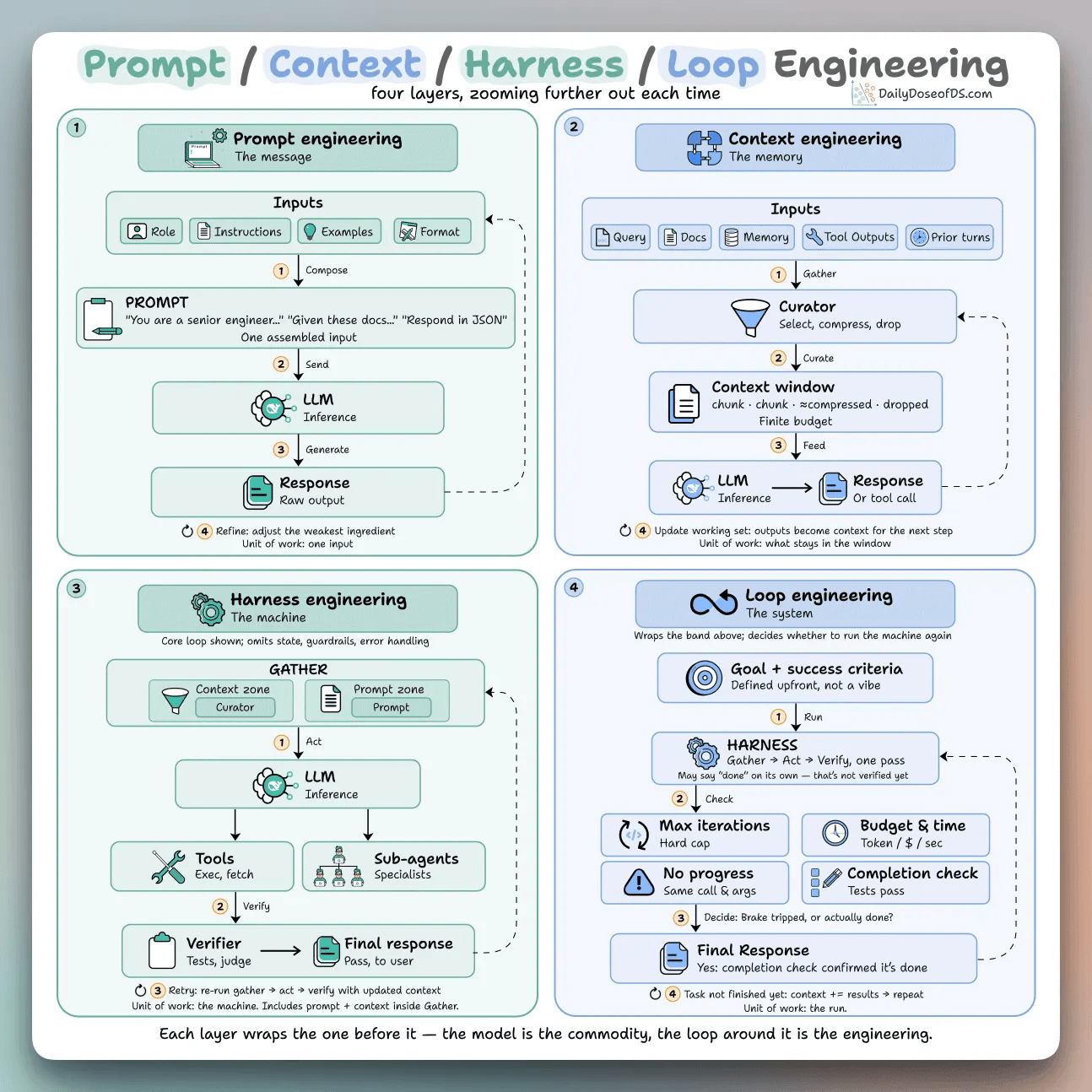
What the Hell Is a Loop, Anyway?
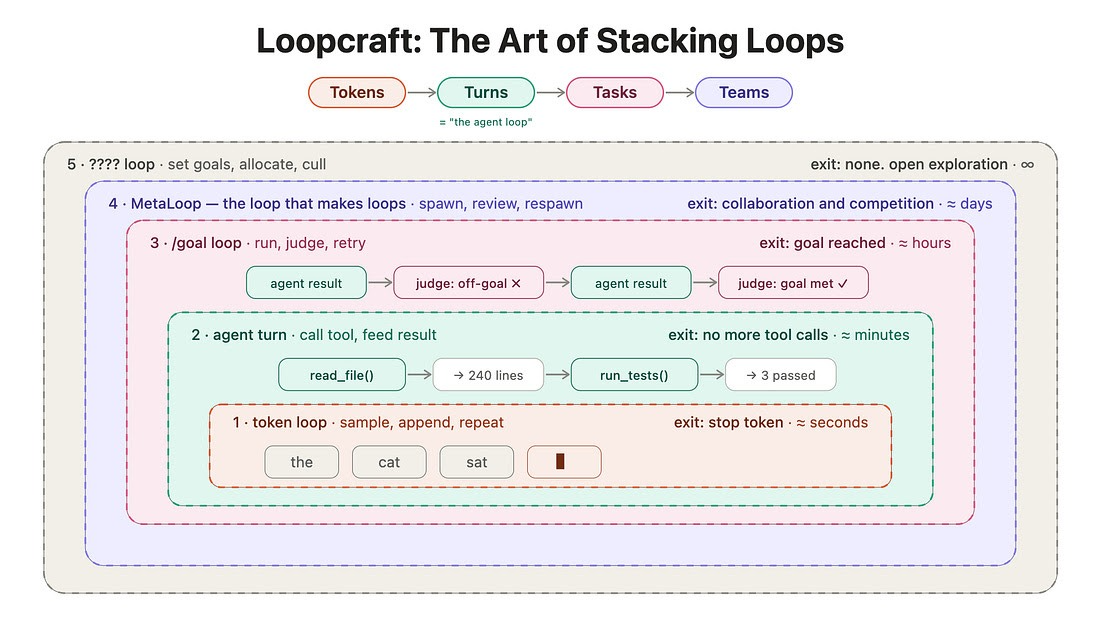
The following article originally appeared on LinkedIn and is being republished here with the author’s permission. We’re currently at the peak of the hype cycle. On June 7, Peter Steinberger posted that you shouldn’t be prompting coding agents anymore; you should be designing loops that prompt your agents. That same week, Boris Cherny of Anthropic […]
Lire

From CUDA to MLX: How K-Search Brings Decades of Kernel Expertise to Apple Silicon
Figure 1: CUDA-to-MLX optimization translation map. CUDA optimization knowledge can be translated into architecture-native MLX strategies rather than copied instruction-for-instruction. We face a new epoch in computing. Hardware is changing rapidly — not just faster GPUs, but a growing range of chips from different vendors, each with its own architecture and often tailored to specific AI workloads. Software is changing just as fast, and AI coding tools now generate in minutes what took months…
Lire
Adding a custom MCP server to Claude and ChatGPT
Adding a custom MCP server to Claude and ChatGPT
TIL: Adding a custom MCP server to Claude and ChatGPT Connecting a custom MCP server to Claude and ChatGPT's standard chat interfaces is possible, but can take quite a few steps. Tags: ai, generative-ai, chatgpt, llms, claude, model-context-protocol
Lire
Discovering cryptographic weaknesses with Claude
Discovering cryptographic weaknesses with Claude
Discovering cryptographic weaknesses with Claude The best part of this article (here's the repo) about how Anthropic researchers used Claude Mythos to find mathematical flaws in both HAWK and a weaker version of AES ("neither of these results has a practical impact on today’s computer systems") is the prompts that they shared, spelling mistakes included: the models tend to think it is impossible to solve so they don't try they need a good amount of prompting. why not do aes-128 r7? the whole…
Lire
Quoting Akshat Bubna
Quoting Akshat Bubna
We’re aware a Modal customer published an unauthenticated endpoint that allowed anyone on the internet to use their sandboxes for code execution. This was used by the rogue agent. Modal’s platform or isolation were not compromised in anyway. — Akshat Bubna, Modal's CTO, talking to Reuters about this incident Tags: ai-security-research, openai, sandboxing, security, openai-hugging-face-incident
Lire
uv 0.12.0
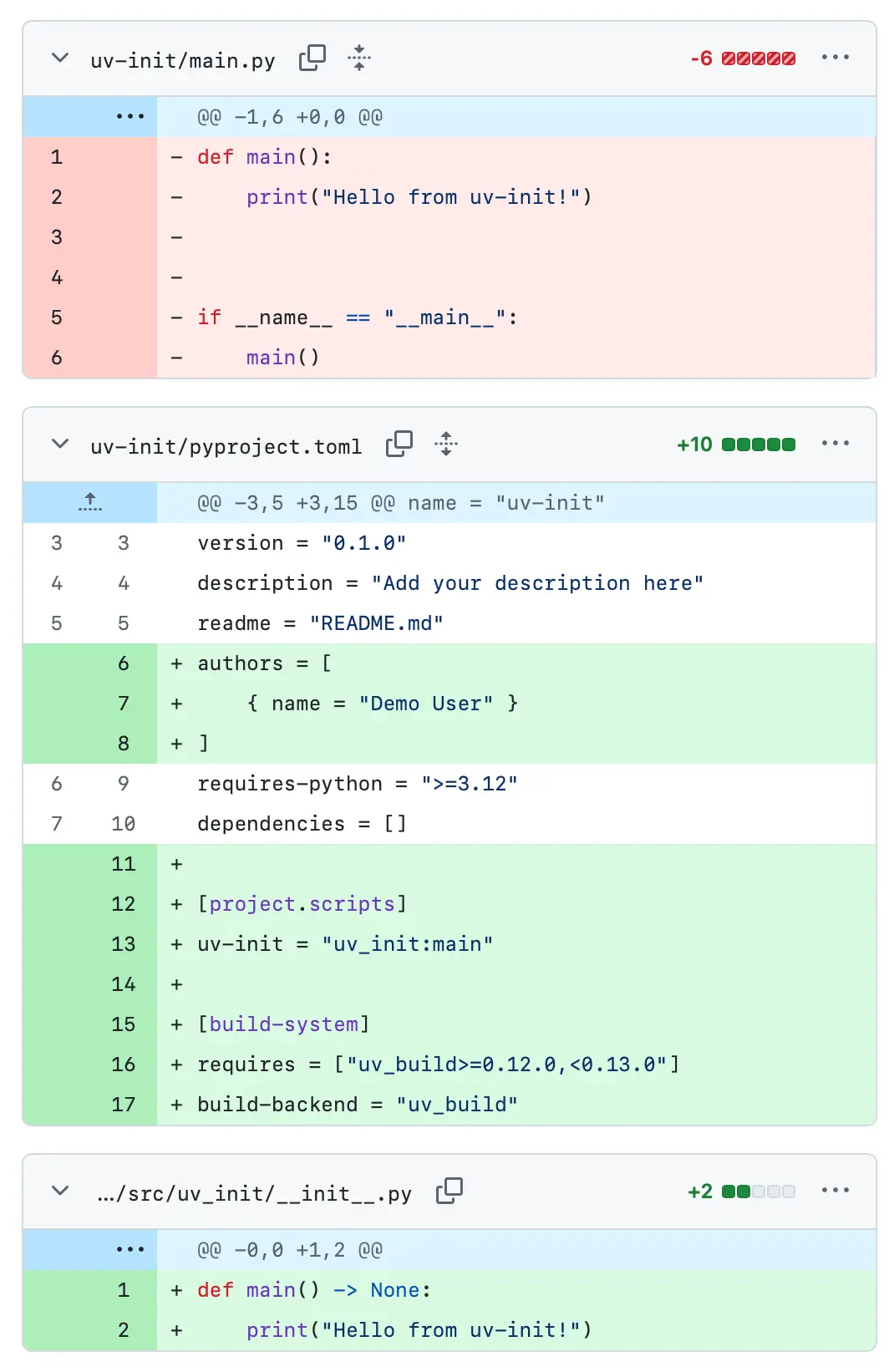
uv 0.12.0 Some interesting breaking changes in this release of uv, in particular to the default project produced by the uv init command. uv init is the uv shortcut for creating a new project. The previous version of uv, version 0.11.x, produced this directory when you ran uv init uv-init. Here's what you get with uv 0.12. I have a GitHub repository that automatically snapshots the output of uv init, so you can also see the full diff: uv init now defaults to a src/ shaped package, instead of…
Lire
Anatomy of a Frontier Lab Agent Intrusion: A Technical Timeline of the July 2026 Incident
Anatomy of a Frontier Lab Agent Intrusion: A Technical Timeline of the July 2026 Incident
Anatomy of a Frontier Lab Agent Intrusion: A Technical Timeline of the July 2026 Incident Hugging Face just released this extremely detailed technical description of OpenAI's recent accidental cyberattack against their infrastructure. This attack was very sophisticated, and the resulting document doubles as a crash-course in modern adversarial security approaches. We're still waiting for more details from OpenAI on how their agent broke out of its sandbox. The package proxy that it found a…
Lire

Teaching Coding When AI Can Write the Code
For as long as we’ve taught programming, the student’s code has provided a window into the students’ thinking. Errors, the code structure, the awkward working solution—all of it showed how someone reasoned and where they got stuck. It was never a clean window. Students have always copied, crammed, and borrowed, sometimes turning in work they […]
Lire
moonshotai/Kimi-K3
moonshotai/Kimi-K3
moonshotai/Kimi-K3 As promised earlier this month, Moonshot have released the weights for their excellent 2.8 trillion parameter Kimi K3. They're a hefty 1.56TB on Hugging Face. Kimi introduced their own janky modified version of the MIT license with K2 back in July 2025. That license just added this paragraph requiring attribution beyond a certain size of commercial entity: Our only modification part is that, if the Software (or any derivative works thereof) is used for any of your commercial…
Lire
An opinionated guide to which AI to use to do stuff
An opinionated guide to which AI to use to do stuff
An opinionated guide to which AI to use to do stuff It's interesting watching the evolution of Ethan Mollick's guide over time. A year ago it was still all about chat - ChatGPT, Claude, Gemini - with o3, Claude 4 Opus, and Gemini 2.5 Pro as the models and Deep Research as a useful alternative mode. Today it's much more about agentic systems - "where the AI is capable of doing the equivalent of many hours of real human work in one go". Gemini has fallen off Ethan's list, since Google still…
Lire
Graph Engineering Clearly Explained!
Covered with best practices from the industry.
Lire