Flux
Couleur d'accent
Don't classify. Hallucinate!

Don't classify. Hallucinate!

Simon Willison's Weblog ·

Don't classify. Hallucinate! I still have quite a bit of older content on my blog that I never got round to tagging. My blog has 1,856 tags - likely too many to feed to an LLM in one go and say "which of these tags match the following content". Doug Turnbull has a neat solution. Tell the model to output tags without any details of the existing vocabulary, then use vector embeddings against the existing corpus to find the concrete tags that are closest to the ones the model imagined might…

Soutenez Simon Willison's Weblog en consultant la ressource originale

Lire l'article original
Articles similaires

Why « Gemini at Work 2026 » is transforming the way we work Nouveau

Why « Gemini at Work 2026 » is transforming the way we work

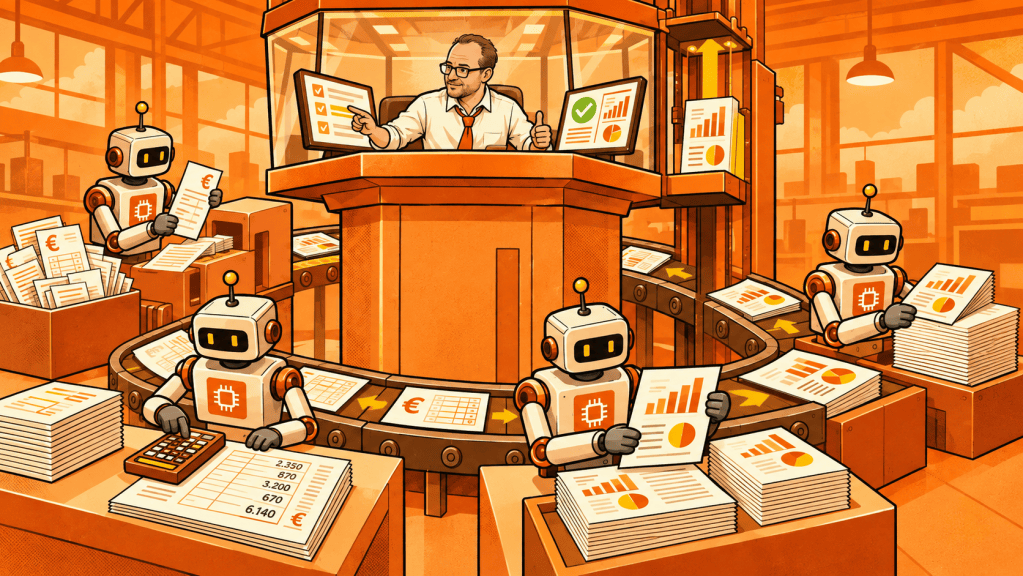
Google Cloud has announced Gemini at Work 2026, marking a turning point in the integration of AI into work. Unlike Microsoft Copilot, Gemini acts as a proactive agent, learning company methods and orchestrating missions via sub-agents. This evolution aims to improve efficiency without replacing humans, thereby transforming the way we work. L’article Why « Gemini at Work 2026 » is transforming the way we work est apparu en premier sur OlivierSauvage.com.

Olivier Sauvage (Numerika)
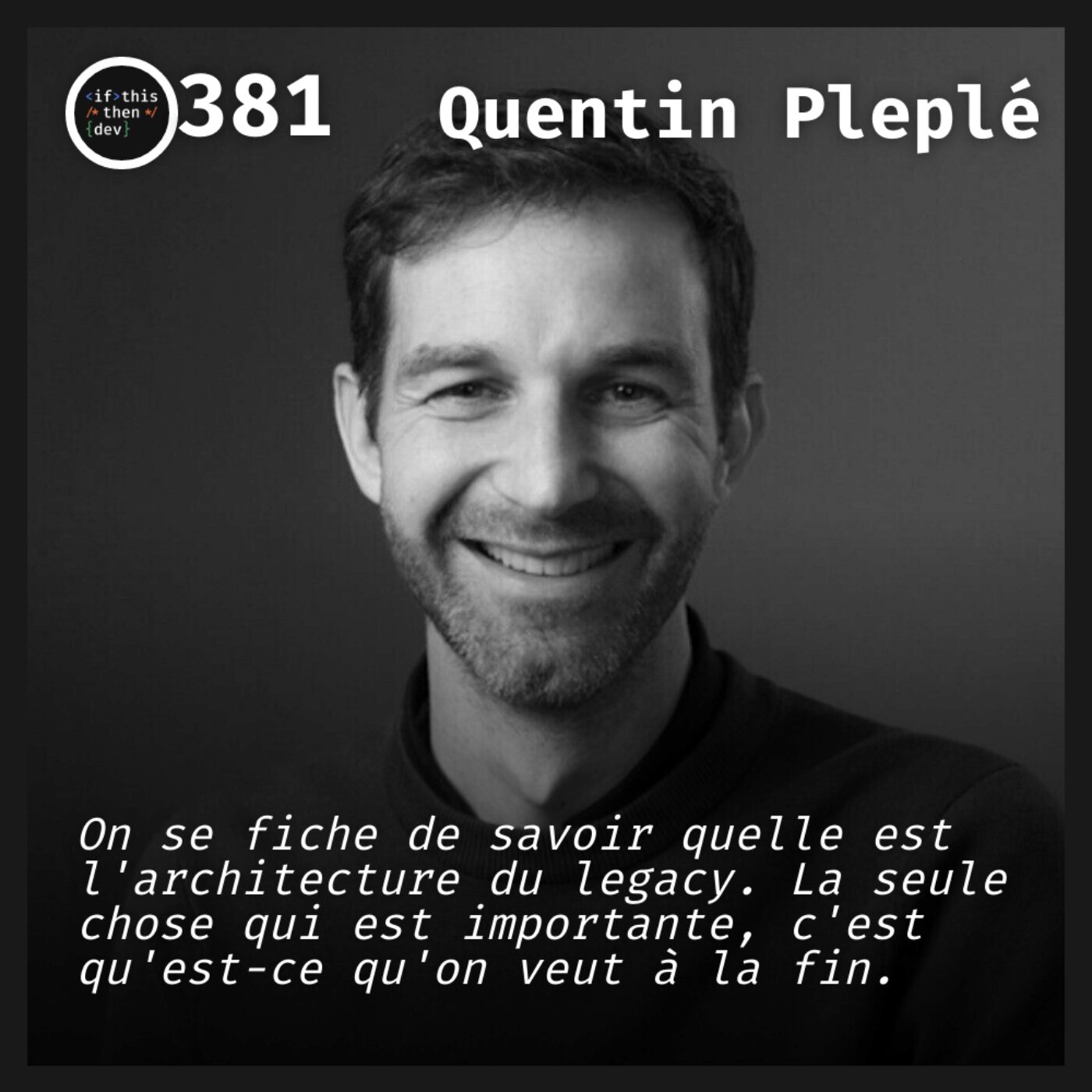
#381.src - AI Coding: Réécrire des applications legacy avec Quentin Pleplé Récent Podcast

#381.src - AI Coding: Réécrire des applications legacy avec Quentin Pleplé

"On se fiche de savoir quelle est l'architecture du legacy. La seule chose qui est importante, c'est qu'est-ce qu'on veut à la fin." Le D.E.V. de la semaine est Quentin Pleplé, CTO de la practice de modernisation par l'IA chez Théodo. Depuis un an, ses équipes réécrivent des applications legacy entières avec du code généré à 100% par l'IA, tout en gardant le contrôle qualité grâce à des usines agentiques rigoureusement outillées. Dans cet épisode, il détaille sa méthode en trois phases (spec,…

IFTTD - If This Then Dev
Esc