Flux
Couleur d'accent
Warelay -> OpenClaw

Warelay -> OpenClaw

In preparation for a lightning talk I'm giving at PyCon US this afternoon I decided to figure out how many names OpenClaw has actually had since that first commit back in November. Thanks to this first_line_history.py tool (code here) the answer, according to the Git history of the OpenClaw README, is: Warelay → CLAWDIS → CLAWDBOT → Clawdbot → Moltbot →🦞 OpenClaw Or in detail (the output from the tool): 2025-11-24T11:23:15+01:00 16dfc1a # Warelay — WhatsApp Relay CLI (Twilio)…

Soutenez Simon Willison's Weblog en consultant la ressource originale

Lire l'article original
Articles similaires

Why « Gemini at Work 2026 » is transforming the way we work Nouveau

Why « Gemini at Work 2026 » is transforming the way we work

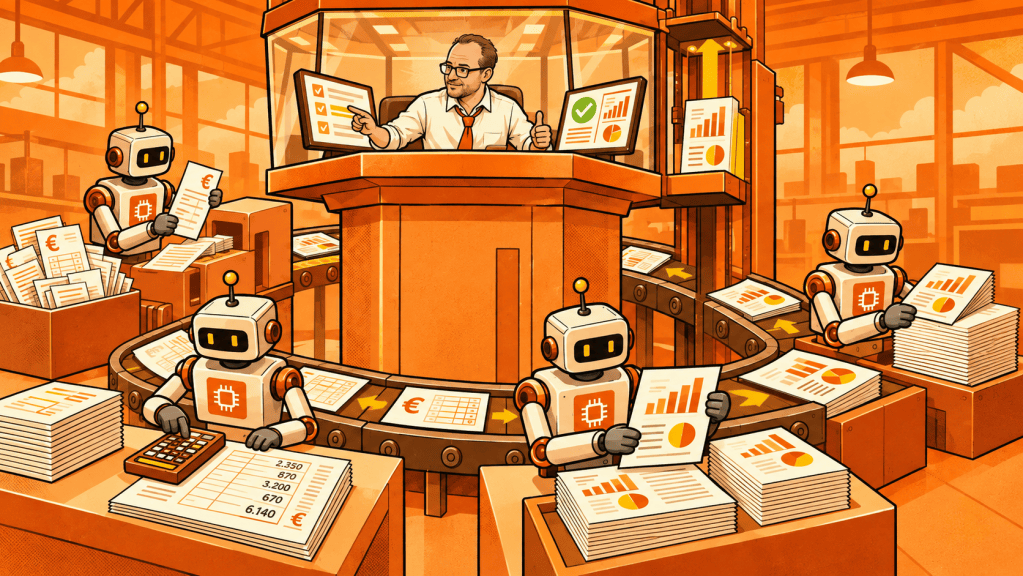
Google Cloud has announced Gemini at Work 2026, marking a turning point in the integration of AI into work. Unlike Microsoft Copilot, Gemini acts as a proactive agent, learning company methods and orchestrating missions via sub-agents. This evolution aims to improve efficiency without replacing humans, thereby transforming the way we work. L’article Why « Gemini at Work 2026 » is transforming the way we work est apparu en premier sur OlivierSauvage.com.

Olivier Sauvage (Numerika)
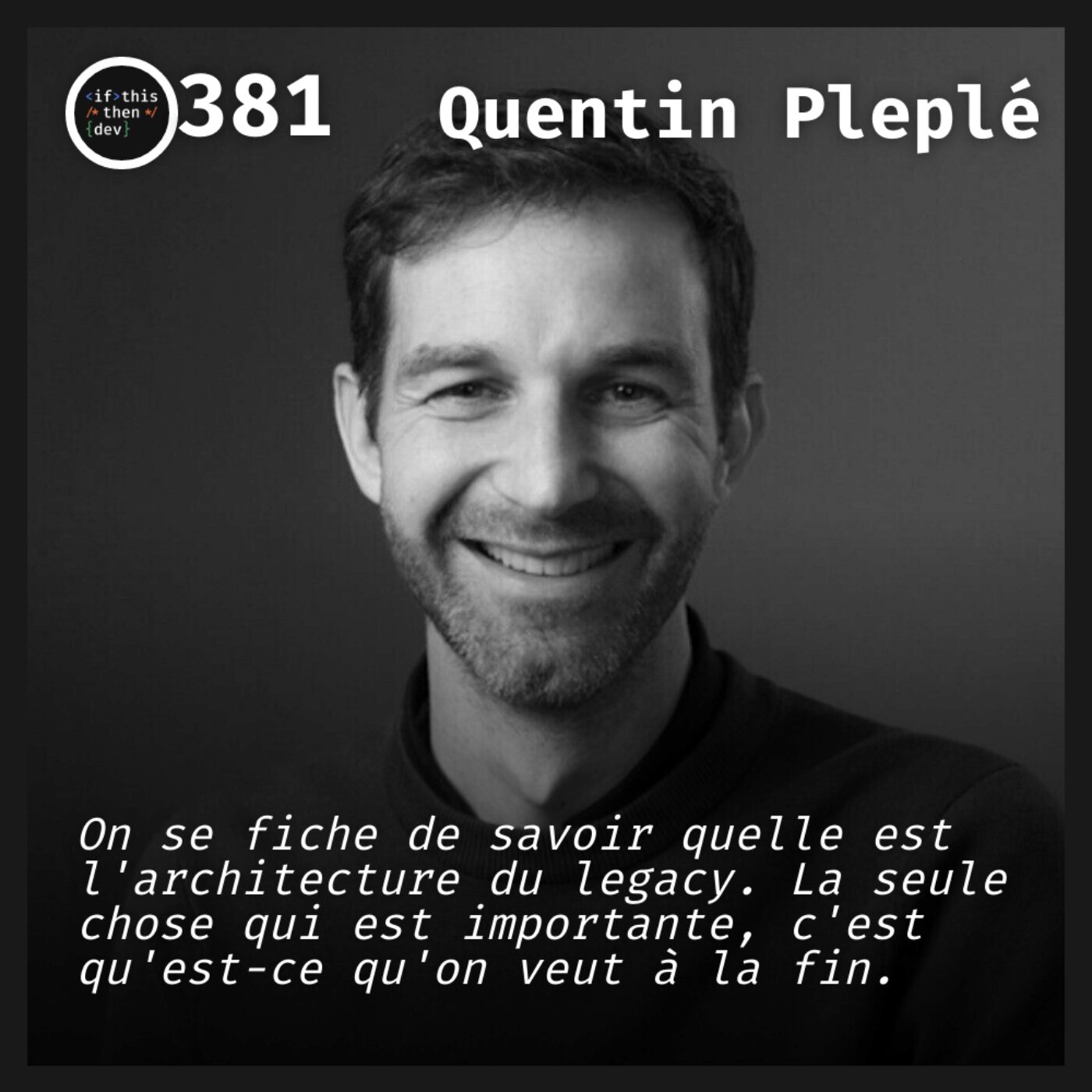
#381.src - AI Coding: Réécrire des applications legacy avec Quentin Pleplé Récent Podcast

#381.src - AI Coding: Réécrire des applications legacy avec Quentin Pleplé

"On se fiche de savoir quelle est l'architecture du legacy. La seule chose qui est importante, c'est qu'est-ce qu'on veut à la fin." Le D.E.V. de la semaine est Quentin Pleplé, CTO de la practice de modernisation par l'IA chez Théodo. Depuis un an, ses équipes réécrivent des applications legacy entières avec du code généré à 100% par l'IA, tout en gardant le contrôle qualité grâce à des usines agentiques rigoureusement outillées. Dans cet épisode, il détaille sa méthode en trois phases (spec,…

IFTTD - If This Then Dev
Esc